

MUHAMMADIYAH.OR.ID AGAM — ‘Aisyiyah Central Board has partnered with Indonesia’s Ministry of Primary and Secondary Education to accelerate the recovery of early childhood education services after severe flooding struck the Lake Maninjau area in Agam Regency, West Sumatra.

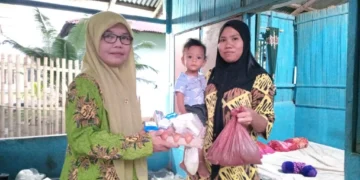
The collaboration took shape on Wednesday (14/01) through the distribution of educational aid and the strengthening of inclusive schooling at the Muhammadiyah-’Aisyiyah Kindergarten in Maninjau. The initiative followed floods on November 28, 2025, which disrupted teaching and learning activities at several ‘Aisyiyah preschools around the lake.
As a result of the disaster, classrooms and learning facilities suffered damage, leaving schools struggling to resume normal operations. Therefore, additional support became essential to ensure children could return to safe and effective learning environments.
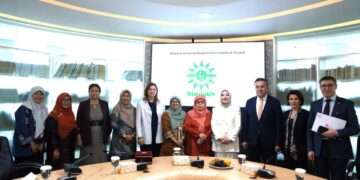
The visit brought together senior figures from both institutions, including Tri Hastuti Nur Rochimah, secretary general of the ‘Aisyiyah Central Board; Diyah Puspitarini, another central board secretary; and Rita Pranawati, a special adviser to the education minister on inclusive education and equity in disadvantaged regions.
Rebuilding Learning Spaces and Emotional Well-Being
During the program, ‘Aisyiyah provided educational play equipment, kitchen sets, learning media, and reading corners. These materials aim to restore basic learning infrastructure while also sustaining the quality of early childhood education after the floods.
Rita Pranawati said the government remains committed to ensuring equal access to education, even in disaster-affected areas and in remote, underdeveloped, and border regions (3T Areas).
The ministry’s responsibility is to build inclusive school role models,” she said. “Children in disaster-prone and 3T regions must continue to receive quality education.”
Meanwhile, Tri Hastuti Nur Rochimah emphasized that ‘Aisyiyah’s involvement reflects a broader humanitarian mission. Education, she noted, plays a critical role in restoring hope after disaster. Consequently, the organization seeks to ensure that children can learn again in conditions that are both safe and supportive.
In addition to material assistance, the program included psychosocial support for teachers and students. Children received drawing tools to help them express emotions and regain a sense of joy after the traumatic experience.
Syur’aini, chair of ‘Aisyiyah’s West Sumatra branch, said the assistance significantly strengthened schools and educators striving to recover. Ultimately, the collaboration is expected to serve as a model for post-disaster, inclusive education recovery across Indonesia. (Suri)
Translator: Bintang Adrian