

MUHAMMADIYAH.OR.ID, BANTUL – Regarding the term used in Surah al-Kautsar verse 2, the word for slaughtering employed in the verse is nahar (نحر). The term nahar is specifically used for slaughtering or sacrificing camels.

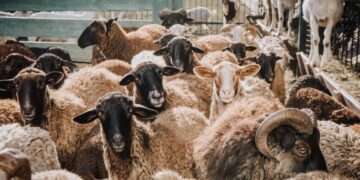
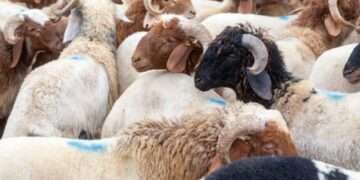
Meanwhile, for slaughtering goats, sheep, or cattle, the more appropriate term is yudhohi (يضاحي). This was explained by a Member of the Religious Opinion and Reform Council of Muhammadiyah Central Board, Mukhlis Rahmanto, on Saturday (4/5).
“In Arabic, there are the words nahar and yudhohi. These two words indeed both mean slaughtering,” said Mukhlis Rahmanto before the congregation of the regular study session of Muhammadiyah Sub-branch Board of North Tamantirto at Al-Amin Mosque.
He continued that nahar is used for camels slaughtering because the technique is not performed by laying the animal down. Instead, the camel is slaughtered while standing.
“This is different from yudhohi. The animal must be laid down, positioned facing the qibla,” he added.
After the cow, goat, or sheep is laid down, its head is held while reciting bismillāhi Allāhu akbar. The slaughterer might also substitute it with a portion of Surah al-An’am verse 162:
إِنَّ صَلَاتِي وَنُسُكِي وَمَحْيَايَ وَمَمَاتِي لِلَّهِ رَبِّ الْعَالَمِينَ
“Indeed, my prayer, my sacrifice, my life, and my death are for Allah, Lord of the worlds.”
Mukhlis explained that both slaughtering methods were exemplified by Prophet Muhammad. Therefore the difference between them constitutes a matter of choice, depending on the sacrificial animal being slaughtered.
Meanwhile, the legal status of sacrificial offering (qurban) in Islam falls under sunnah mu’akkadah (a highly recommended sunnah) for those who are financially capable. Those who are unable to perform it incur no sin.
Sacrificial Meat for the Offerer and Those in Need
Mukhlis further added that the sahibul qurban (the person offering the sacrifice) is permitted to take a portion of the meat from the animal they sacrificed. This permissibility is a concession granted by Allah SWT to His servants.
He emphasized that when the names of sacrificial donors are recorded and announced, they should avoid riya’ (arrogance). Such attitudes will diminish the spiritual reward and sincerity of the sacrifice.
“And I encourage all of you: if you feel that distribution here is already sufficient, then if possible, the sacrificial meat should be distributed elsewhere, to places where people are in greater need. That would be more beneficial,” he added.
Regarding the distribution of sacrificial meat, Mukhlis Rahmanto suggested utilizing Lazismu. The organization, said Mukhlis, possesses networks and grassroots mapping to identify which communities are most in need.