

Under the Unified Global Hijri Calendar (KHGT), 1 Dhulhijjah 1447 AH falls on Monday, May 18, 2026. Accordingly, Eid al-Adha, observed on 10 Dhulhijjah, will fall on Wednesday, May 27, 2026.

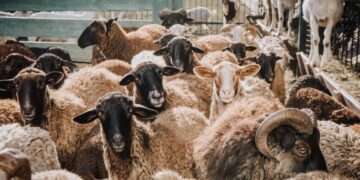
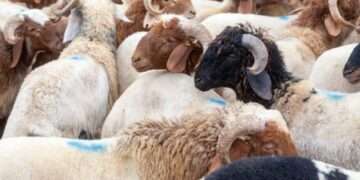
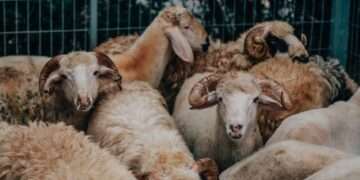
The arrival of Dhulhijjah marks the beginning of some of Islam’s most sacred days, especially for Muslims preparing to offer qurban, or ritual sacrifice.
For those intending to perform the sacrifice—known as shahibul qurban—Islamic tradition recommends a specific practice once the month begins: refraining from cutting one’s hair and nails until the sacrificial animal has been slaughtered.
A Prophetic Recommendation for Those Intending to Sacrifice
The recommendation is based on a hadith narrated by Imam Muslim, in which the Prophet Muhammad said:
إذا رأيتم هلال ذي الحجة، وأراد أحدكم أن يضحي، فليمسك عن شعره وأظفاره
“When you sight the crescent of Dhulhijjah, and one of you intends to offer a sacrifice, let him refrain from cutting his hair and nails.” (Narrated by Muslim)
This narration serves as the primary basis for the recommendation that a person intending to offer qurban avoid trimming hair or nails from the start of Dhulhijjah until the sacrifice takes place.
At its core, qurban is an act of devotion that teaches submission and sacrifice before God. By abstaining from otherwise permissible acts, the worshipper cultivates patience, spiritual readiness, and deeper awareness ahead of the day of sacrifice.
Scholars within Muhammadiyah’s Council for Religious Opinion and Reform explain that the pronoun in the hadith refers to the person offering the sacrifice, not to the animal itself. Therefore, the recommendation applies to all shahibul qurban, whether participating individually or collectively.
Scholarly Views and Practical Guidance
Islamic scholars, however, differ on the legal weight of this recommendation. Some regard avoiding hair and nail cutting as a strongly encouraged sunnah. Some others consider violating it merely discouraged rather than forbidden.
Most scholarly explanations agree on one important point: cutting one’s hair or nails for reasons of hygiene, necessity, or simple forgetfulness does not invalidate the sacrifice or diminish its validity.
For that reason, Muslims should not feel excessive anxiety if they have already done so. Their qurban remains valid, and its reward is still hoped for from Allah.
According to the council, those intending to perform qurban are encouraged to let their hair remain uncut. It includes head hair, mustache, beard, and other body hair. In the process, they must also refrain themselves from trimming fingernails and toenails. The prohibition began from the sighting of the Dhulhijjah crescent until the animal is slaughtered.
This year, this recommendation applies from Monday, May 18, 2026, until after the sacrifice is completed on Wednesday, May 27.
Beyond Ritual: Preparing the Heart for Sacrifice
This practice also serves as a reminder that qurban extends beyond the slaughter of an animal. It involves sacrificing ego, strengthening obedience, and nurturing piety.
The Qur’an underscores this spiritual dimension:
لَن يَنَالَ اللَّهَ لُحُومُهَا وَلَا دِمَاؤُهَا وَلَٰكِن يَنَالُهُ التَّقْوَىٰ مِنكُمْ
“Neither their meat nor their blood reaches Allah, but what reaches Him is your piety.” (Qur’an 22:37)
As Dhulhijjah begins, Muslims are therefore invited not only to prepare their finest animals for sacrifice but also to prepare their hearts for a deeper closeness to Allah.