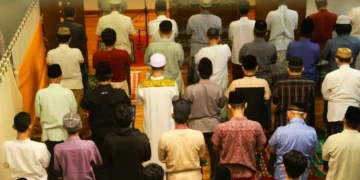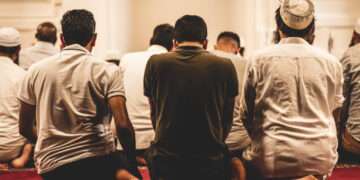


The Fast of Arafah always brings a unique spiritual atmosphere to Muslims around the world. Amid the echoes of takbir and the movement of millions of pilgrims toward the Plain of Arafah, Islam encourages Muslims who are not performing Hajj to observe the day through fasting and worship.

The Day of Arafah falls on the 9th of Dhulhijjah, which in 2026 corresponds to Tuesday, May 26, one day before Eid al-Adha. In Islamic tradition, the day holds immense spiritual significance. For Hajj pilgrims, standing at Arafah is the central pillar of the pilgrimage and determines the validity of one’s Hajj. Meanwhile, for Muslims who are not on pilgrimage, Islamic teachings offer a tremendous opportunity to attain divine rewards through the Fast of Arafah.
The virtue of fasting on the Day of Arafah is affirmed in an authentic hadith narrated by Imam Muslim and Ahmad.
عَنْ أَبِي قَتَادَةَ الأَنْصَارِيِّ رَضِيَ اللهُ عَنْهُ أَنَّ رَسُولَ اللهِ صَلَّى اللهُ عَلَيْهِ وَسَلَّمَ سُئِلَ عَنْ صَوْمِ يَوْمِ عَرَفَةَ فَقَالَ: يُكَفِّرُ السَّنَةَ الْمَاضِيَةَ وَالْبَاقِيَةَ
[رواه مسلم وأحمد]
Translation: “Abu Qatadah al-Ansari reported that the Prophet Muhammad was asked about fasting on the Day of Arafah, and he replied: ‘It expiates the sins of the previous year and the coming year.’” (Sunan Muslim and Ahmad)
This hadith reflects the vast mercy of Allah toward His servants. Through a single day of fasting, Allah promises the forgiveness of sins committed over two years — one past and one future. Scholars explain that this refers to minor sins, while major sins still require sincere repentance.
Nevertheless, the narration demonstrates that Islam provides accessible paths for spiritual purification and self-improvement. The Fast of Arafah also nurtures empathy and inner awareness. Enduring hunger and thirst should reminds Muslims that life is not merely about fulfilling physical needs, but also about disciplining the soul and drawing closer to Allah.
A Spiritual Preparation During Dhulhijjah
In today’s fast-paced and materialistic world, fasting creates space for reflection. It allows believers to evaluate how they have used their lives in service, righteousness, and devotion.
Islam not only encourages fasting on the 9th of Dhulhijjah, but also recommends increasing righteous deeds from the beginning of the month. One of the recommended practices is fasting during the first nine days of Dhulhijjah, especially for those who are physically able to do so.
This recommendation is based on a hadith narrated by Abu Dawud, Ahmad, and al-Bayhaqi:
عَنْ هُنَيْدَةَ بْنِ خَالِدٍ عَنْ امْرَأَتِهِ عَنْ بَعْضِ أَزْوَاجِ النَّبِيِّ صَلَّى اللهُ عَلَيْهِ وَسَلَّمَ قَالَتْ: كَانَ رَسُولُ اللهِ صَلَّى اللهُ عَلَيْهِ وَسَلَّمَ يَصُومُ تِسْعَ ذِي الْحِجَّةِ وَيَوْمَ عَاشُورَاءَ وَثَلَاثَةَ أَيَّامٍ مِنْ كُلِّ شَهْرٍ، أَوَّلَ اثْنَيْنِ مِنَ الشَّهْرِ وَالْخَمِيسَ
[رواه أبو داود وأحمد والبيهقي]
Translation: “The Messenger of Allah used to fast during the first nine days of Dhulhijjah, on the day of Ashura, and three days of every month, including the first Monday and Thursday of the month.” (Sunan Abu Dawud, Ahmad, and al-Bayhaqi)
The encouragement to fast from the beginning of Dhulhijjah illustrates how Islam teaches believers to welcome sacred days with spiritual preparation. Dhulhijjah, aside from its association with the ritual sacrifice of animals, also serves as a season for increasing worship, remembrance of Allah, charity, and self-restraint.