

MUHAMMADIYAH.OR.ID, YOGYAKARTA – Muhammadiyah leaders have urged Islamic scholars to move beyond mastery of religious texts and engage deeply with science, technology, and entrepreneurship, arguing that such integration is essential for effective preaching and economic independence in a rapidly changing world.

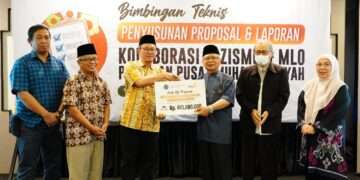
The call was delivered during a Studium Generale organized by the Muhammadiyah Tarjih Ulama Education (PUTM) on Thursday (22/01) at the Muhammadiyah Development Center in Sleman, Yogyakarta. The forum, attended by PUTM students, focused on the theme “Ulama and Entrepreneurship: Integrating Preaching and Economic Independence.”
Opening the event, Dahwan Muchrodji, the director of PUTM, emphasized that commerce has long been integral to Islamic tradition. The Prophet Muhammad, he noted, was himself a trader, as were many prominent jurists.
“Beyond strengthening education, we must also revive the Islamic business sector,” Dahwan said. “Muhammadiyah’s charitable enterprises cannot be limited to schools and hospitals. Sharia-based hotels, tourism, and other business units remain wide open for development. Prosperity, both for the nation and the organization, depends on a vibrant economic sector.”
Bridging Faith, Enterprise, and Knowledge
The first session featured Herry Zudianto, president director of the Margaria Group, who outlined key principles for aspiring entrepreneurs. He stressed sensitivity to change, courage to start with existing resources, calculated risk-taking, and strong personal branding. Equally important, he said, is collaboration grounded in trust.
The second session was delivered by Din Syamsuddin, Chairperson of Muhammadiyah 2005–2015. He addressed the meaning of Islamic scholarship in the digital age. He challenged the narrow perception of ulama as religious experts alone.
Citing Qur’an Surah Fathir (35:28), Din argued that true scholars must also understand kauniyyah sciences, including sociology, economics, biology, and anthropology. However, he added, such knowledge must remain rooted in the Qur’an qauliyyah verses.
“If Indonesia and Muhammadiyah want to rise, mastery of both religious knowledge and modern science is the key,” he said. “Ulama must be firm in principle, board in knowledge, and flexible in action.”
Din concluded that scholars should serve not only as heirs and transmitters of tradition, but as enlighteners (sirajan munira) capable of guiding society amid technological acceleration. The forum, organizers said, reaffirmed the goal of producing ulama who are spiritually grounded, economically independent, and intellectually adaptive to the demands of the age.
Translator: Bintang Adrian