

EN.MUHAMMADIYAH.OR.ID, BANDUNG – Muhammadiyah University of Bandung (UM Bandung) has officially appointed three new vice rectors for the 2026–2029 term as part of a strategic effort to strengthen institutional governance and accelerate the university’s transformation into a leading, adaptive, and competitive institution.

The inauguration was held on Wednesday (1/7). The ceremony installed Vice Rector I Ayi Yunus Rusyana, Vice Rector II Zamah Sari, and Vice Rector III Ahmad Diponegoro.
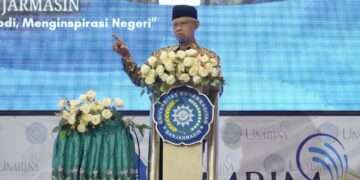
In his remarks, Dadang Kahmad, Chairperson of the Central Board of Muhammadiyah, expressed hope that the new leadership would accelerate UM Bandung’s progress toward becoming a more distinguished university. UM Bandung must be able to attract greater public interest while making meaningful contributions to Muhammadiyah higher education.
Dadang emphasized that leadership positions are not merely structural roles. He sees it as trusts that must be carried out with integrity, sincerity, and responsibility.
“The entrusted positions must be accounted for not only to the organization and the university but also to Allah SWT. Therefore, every leader must fulfill their responsibilities to the best of their ability for the advancement of Muhammadiyah and the benefit of the wider community,” he said.
Synergy and Commitment to Achieving the Vision of UM Bandung
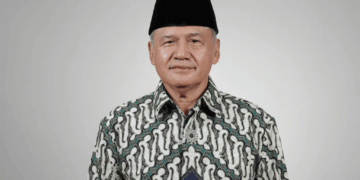
Meanwhile, UM Bandung Rector Herry Suhardiyanto stressed the importance of synergy among university leaders in achieving the institution’s strategic goals. According to him, commitment and consistency are fundamental to realizing UM Bandung’s vision of becoming an outstanding university.
“We must work together, uphold the trust we have pledged to carry out, and remain consistent in managing the university. The strategic targets we have set must now be translated into concrete achievements,” Herry stated.
He explained that, in addition to increasing student enrollment, UM Bandung will continue to enhance academic quality by expanding the number of study programs with excellent accreditation, strengthening human resource capacity, and fostering a strong culture of quality across the institution.
According to Herry, the increasingly dynamic landscape of higher education requires universities to continuously innovate. To that end, UM Bandung plans to broaden its partnerships with strategic stakeholders while developing governance and management strategies.
The appointment of the three new Vice Rectors is expected to mark a new chapter in UM Bandung’s institutional transformation. Hopefully, the efforts would improve the quality of educational services and reinforcing its role as a leading Muhammadiyah university in education, research, community service, and the promotion of Progressive Islamic values. (Bhisma)