

According to the Global Unified Hijri Calendar (KHGT) 1 Muharram 1448 H falls on Tuesday, June 16, 2026. The arrival of Muharram marks the beginning of a new Islamic year and serves as an important moment for Muslims to engage in self-reflection and spiritual renewal.

Muharram holds a special status in Islam. It is one of the four sacred months (al-asshur al hurum) honored by Allah. Therefore, its arrival should be welcomed by increasing acts of worship and strengthening moral character, rather than by engaging in rituals that have no basis in Islamic teachings.
Muharram as One of the Sacred Months
The distinction of Muharram is first affirmed in the Qur’an. Allah says:
إِنَّ عِدَّةَ الشُّهُورِ عِنْدَ اللَّهِ اثْنَا عَشَرَ شَهْرًا فِي كِتَابِ اللَّهِ يَوْمَ خَلَقَ السَّمَاوَاتِ وَالْأَرْضَ مِنْهَا أَرْبَعَةٌ حُرُمٌ ۚ ذَٰلِكَ الدِّينُ الْقَيِّمُ فَلَا تَظْلِمُوا فِيهِنَّ أَنْفُسَكُمْ
“Indeed, the number of months with Allah is twelve months in the decree of Allah from the day He created the heavens and the earth; of these, four are sacred. That is the correct religion, so do not wrong yourselves during them.” (QS. at-Taubah [9]: 36)
The Prophet Muhammad (peace be upon him) explained these four sacred months in an authentic hadith:
إِنَّ الزَّمَانَ قَدِ اسْتَدَارَ كَهَيْئَتِهِ يَوْمَ خَلَقَ اللَّهُ السَّمَاوَاتِ وَالْأَرْضَ، السَّنَةُ اثْنَا عَشَرَ شَهْرًا، مِنْهَا أَرْبَعَةٌ حُرُمٌ: ثَلَاثٌ مُتَوَالِيَاتٌ ذُو الْقَعْدَةِ وَذُو الْحِجَّةِ وَالْمُحَرَّمُ، وَرَجَبُ مُضَرَ
“The year consists of twelve months, of which four are sacred: three consecutive months—Dhu al-Qa’dah, Dhu al-Hijjah, and Muharram—and Rajab of Mudar, which falls between Jumada and Sha’ban.” (HR. al-Bukhari dan Muslim)
Scholars explain that sins committed during the sacred months carry greater consequences, while righteous deeds receive greater reward and attention from Allah. For this reason, Muharram provides a valuable opportunity for Muslims to increase good deeds and avoid all forms of wrongdoing.
Why Muharram Is Called “The Month of Allah”
Muharram’s status is further elevated because the Prophet referred to it as Shahrullah (the Month of Allah). He said:
أَفْضَلُ الصِّيَامِ بَعْدَ رَمَضَانَ شَهْرُ اللَّهِ الْمُحَرَّمُ
“The most excellent fasting after Ramadan is fasting during Allah’s month, Muharram.” (HR. Muslim)
The attribution of Muharram to Allah signifies its honor and distinction. Although all months belong to Allah, Muharram alone receives this special designation in the hadith. Scholars therefore regard the phrase Shahrullah as a mark of divine honor and reverence.
Ashura: A Day of Divine Victory
One of the greatest virtues of Muharram is the Day of Ashura, which falls on the 10th of Muharram. This day carries profound historical and spiritual significance.
When the Prophet arrived in Madinah, he found the Jewish community fasting on Ashura. Upon asking why, they explained that it was the day when Allah saved Prophet Musa (Moses) and the Children of Israel from Pharaoh.
Ibn Abbas narrated:
فَقَالَ النَّبِيُّ ﷺ: فَأَنَا أَحَقُّ بِمُوسَى مِنْكُمْ، فَصَامَهُ وَأَمَرَ بِصِيَامِهِ
“The Prophet said, ‘We have more right to Musa than you do.’ Then he fasted on that day and instructed his companions to fast as well.” (HR. al-Bukhari)
This event teaches that the legacy of the prophets is the legacy of monotheism shared by all believers. The fast of Ashura is not merely a remembrance of history; it is a reaffirmation that Allah’s help ultimately comes to those who believe and strive in His path.
Recommended Acts of Worship in Muharram
Memperbanyak Puasa Sunnah
One of the most recommended acts during Muharram is voluntary fasting. The Prophet said:
أَفْضَلُ الصِّيَامِ بَعْدَ رَمَضَانَ شَهْرُ اللَّهِ الْمُحَرَّمُ
“The most excellent fasting after Ramadan is fasting during Allah’s month, Muharram.” (HR. Muslim)
This hadith indicates that Muharram is the best time for voluntary fasting after Ramadan. Muslims are therefore encouraged to fast as much as they are able throughout the month.
Observe the Fasts of Tasu’a and Ashura
The most emphasized fasts in Muharram are those on the 9th and 10th days, known respectively as Tasu‘a and Ashura.
Regarding the virtue of Ashura, Ibn Abbas said:
مَا رَأَيْتُ النَّبِيَّ ﷺ يَتَحَرَّى صِيَامَ يَوْمٍ فَضَّلَهُ عَلَى غَيْرِهِ إِلَّا هَذَا الْيَوْمَ، يَوْمَ عَاشُورَاءَ
“I never saw the Prophet so eager to fast a particular day and give it preference over others except this day, the Day of Ashura.” (HR. al-Bukhari)
To distinguish the Muslim practice from that of the Jews, the Prophet expressed his intention to fast on the 9th of Muharram as well:
لَئِنْ بَقِيتُ إِلَى قَابِلٍ لَأَصُومَنَّ التَّاسِعَ
“If I live until next year, I will certainly fast on the ninth day.” (HR. Muslim)
Increase Other Righteous Deeds
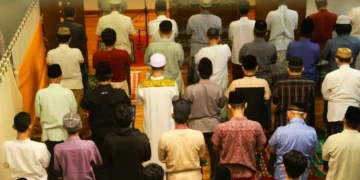
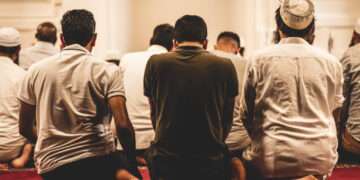
Besides fasting, Muharram is an excellent time to increase other acts of worship and goodness, including: reciting and reflecting upon the Qur’an, giving charity, strengthening family and social ties, engaging in remembrance of Allah, performing night prayers, and helping and caring for others.
Ibn Abbas emphasized that righteous deeds performed during the sacred months carry greater reward, while sins committed during them are more serious. Therefore, Muharram should become a month of self-improvement and renewed devotion.
As Muslims enter the year 1448 AH, it is worth asking: Have we grown closer to Allah over the past year? Have our good deeds increased? Has our character improved? These are the questions that should accompany the arrival of Muharram and guide us toward becoming better servants of Allah in the year ahead.