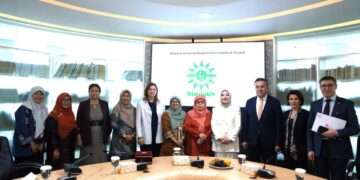


MUHAMMADIYAH.OR.ID, YOGYAKARTA – The Environmental and Disaster Management Department (LLHPB) of ‘Aisyiyah Central Board (PP ‘Aisyiyah) has reaffirmed its commitment to strengthening women’s roles in responding to the increasingly complex climate crisis and disaster risks. This commitment was emphasized during the LLHBP PP ‘Aisyiyah Leadership Meeting held on December 20-21, 2025, in Yogyakarta.

The meeting served as a consolidation forum for LLHBP leaders to review program achievements and formulate strategic responses to escalating disaster risks across Indonesia.
Chairperson of the Central Board of ‘Aisyiyah, Masyitoh Chusnan, stressed that all LLHPB initiatives must be grounded in sincere intentions as part of the Progressive Islamic Women’s Movement. She underlined that disaster-related work is inseparable from faith-based values.
“Every act of service, including assisting disaster-affected communities, is part of worship and da’wah,” she said.
According to Masyitoh, ‘Aisyiyah bears a historical responsibility to continue serving as harakatut taghyir (a movement for change) that remains adaptive to contemporary challenges. She expressed hope that the meeting would sharpen the direction and focus of LLHPB programs to be more impactful as part of organizational consolidation toward the 2027 Muktamar National Conference.
Meanwhile, Rahmawati Husein, Chairperson of PP ‘Aisyiyah, emphasized that environmental crises and disasters are inseparable issues.
“Today’s disasters show how thin the line is between environmental degradation and disaster risk. Prolonged ecological damage has intensified disaster impacts and demands long-term responses,” she explained.
Rahmawati noted that LLHPB ‘Aisyiyah implements disaster responses in coordination with the One Muhammadiyah One Response (OMOR) framework, with the Muhammadiyah Disaster Management Center (MDMC) as the main coordination hub. This mechanism enables all Muhammadiyah entities, including ‘Aisyiyah to act effectively according to their respective capacities.
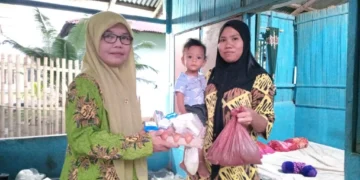
She added that LLHPB ‘Aisyiyah responses in affected areas such as Aceh, North Sumatra, and West Sumatra are tailored to local needs, ranging from psychosocial support and protection for women and children to community-based recovery efforts.
“Women are not only among the most affected groups but are also key actors in disaster response and post-disaster recovery,” she affirmed.
The Rapim also discussed strengthening preparedness and mapping disaster-prone areas, including anticipating potential cyclones through March–April 2026, and completing priority programs mandated by the Muktamar. The forum also formed part of preparations for the National Coordination Meeting (Rakornas) of LLHPB ‘Aisyiyah.
Looking ahead to 2026, priority programs will focus on integrating environmental and disaster issues into the concepts of Sakinah and Qaryah Thayyibah ‘Aisyiyah Family, strengthening strategic partnerships in the energy sector, and enhancing institutional capacity. Planned activities include proposal and news writing training, social media management, Ngaji Lingkungan Initiatives for Green Ramadan and Green Eid, disaster risk reduction studies for National Disaster Preparedness Day and finalizing the Safe School Unit modules for ‘Aisyiyah kindergartens. (Bintang Adrian)