

MUHAMMADIYAH.OR.ID, ACEH TAMIANG – Nearly three weeks after the floods in Aceh, affected residents are beginning to experience a range of health problems, with Acute Respiratory Infections (ARI) emerging as the most frequently reported condition.

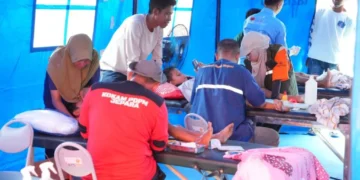
According to information received by Muhammadiyah.or.id on Tuesday (23/12) from the Emergency Medical Team (EMT) of Muhammadiyah University of Makassar (Unismuh), the majority of 45 patients treated complained of ARI symptoms.
To reach survivors spread across several areas, the team divided personnel into two working groups. Team A focused on coordination and service preparation within the extensive coverage area of Sungai Iyu Community Health Center (Puskesmas). Meanwhile, Team B implemented a mobile service model in Gampong Air Tenang, where basic health facilities have not yet returned to normal. The local village health post (Poskesdes) remains affected by mud, and existing evacuation posts are no longer staffed by volunteers or health workers.
Sementara Tim B memilih pola layanan mobile di Gampong Air Tenang karena fasilitas layanan dasar setempat belum berfungsi normal. Poskesdes di wilayah itu masih terkendala lumpur, sementara posko yang ada tidak lagi ditempati relawan atau tenaga kesehatan.
On December 22, 2025, Team B treated 45 patients, consisting of 26 men and 19 women, ranging in age from toddlers to the elderly. ARI was the most prevalent illness with 18 recorded cases, followed by other common post-disaster conditions, including skin diseases.
“There were no cases requiring referral today. All patients were treated on site,” said dr. Muhammad Ihsan Kitta, Head of the Unismuh Makassar EMT, in the press statement.
He added that the deployment of health services was based on coordination with the Health Emergency Operation Center (HEOC) of the Aceh Tamiang Disaster Response Unit.
“We were assigned to the Sungai Iyu Health Center area, which covers Sungai Iyu and Tanjung Kepayang Village in Bendahara District. In addition, the team also operated in Gampong Air Tenang, Karang Baru District,” he explained.
The team also noted that reproductive health services and health promotion activities have not yet been conducted. Urgent needs identified include strengthening health services in the affected areas and ensuring adequate supplies of medications for skin conditions, which commonly arise due to prolonged contact with contaminated water and poor post-flood sanitation.
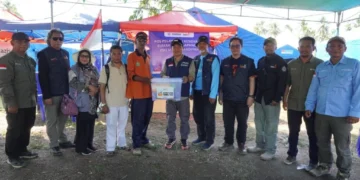
This field operation involved 10 EMT personnel, comprising medical and support staff—doctors, nurses, midwives, pharmacists, and medical professional students—who worked in shifts according to service demands at each location. (Bintang Adrian)