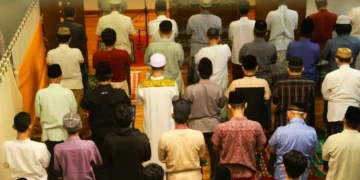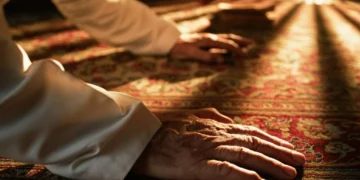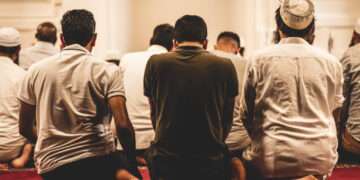


Wuquf at Arafah stands as the most essential pillar of the Hajj pilgrimage. The Prophet Muhammad emphasized its centrality, declaring that Hajj is, in essence, Arafah. Therefore, pilgrims are expected to use this time to deepen their worship, offer prayers, and draw closer to Allah.

Once the period of wuquf begins on the 9th of Dhul-Hijjah, pilgrims are encouraged to listen to the sermon delivered by an imam or group leader. This sermon typically includes guidance, reminders, and spiritual encouragement. As a result, it helps prepare pilgrims to engage in wuquf with awareness and sincerity.
Following the sermon, pilgrims perform the Dhuhr and Asr prayers combined (jama’ taqdim), both offered during the Dhuhr time. Those eligible may shorten the prayers to two units each. The prayers are conducted with one call to prayer (adhan) and two calls to commence (iqamah), following the practice demonstrated by the Prophet.
After completing the prayers, pilgrims devote their time to remembrance and devotion. They recite the Qur’an, engage in talbiyah, seek forgiveness, send blessings upon the Prophet, and make abundant supplication. Indeed, the Day of Arafah holds exceptional virtue, making acts of worship on this day especially beloved to Allah.
The Prophet said:
عَنِ ابْنِ عَبَّاسٍ قَالَ قَالَ رَسُولُ اللَّهِ صَلَّى اللَّهُ عَلَيْهِ وَسَلَّمَ مَا مِنْ أَيَّامٍ الْعَمَلُ الصَّالِحُ فِيهَا أَحَبُّ إِلَى اللَّهِ مِنْ هَذِهِ الْأَيَّامِ يَعْنِي أَيَّامَ الْعَشْرِ، قَالُوا يَا رَسُولَ اللَّهِ وَلَا الْجِهَادُ فِي سَبِيلِ اللَّهِ؟ قَالَ وَلَا الْجِهَادُ فِي سَبِيلِ اللَّهِ إِلَّا رَجُلٌ خَرَجَ بِنَفْسِهِ وَمَالِهِ ثُمَّ لَمْ يَرْجِعْ مِنْ ذَلِكَ بِشَيْءٍ
Translation: “There are no days in which righteous deeds are more beloved to Allah than these days,” referring to the first ten days of Dhul-Hijjah. The companions asked, “Not even striving in the path of Allah?” He replied, “Not even that, except for a man who goes out with his life and wealth and returns with nothing.” (Sunan Abu Dawud and Ibn Majah)
A Day of Supplication and Divine Mercy
The Day of Arafah falls within these ten blessed days, which heightens its significance. Accordingly, supplication on this day carries special merit and is strongly encouraged.
The Prophet also said:
عَنْ عَمْرِو بْنِ شُعَيْبٍ عَنْ أَبِيهِ عَنْ جَدِّهِ أَنَّ النَّبِيَّ صَلَّى اللَّهُ عَلَيْهِ وَسَلَّمَ قَالَ خَيْرُ الدُّعَاءِ دُعَاءُ يَوْمِ عَرَفَةَ، وَخَيْرُ مَا قُلْتُ أَنَا وَالنَّبِيُّونَ مِنْ قَبْلِي: لَا إِلَهَ إِلَّا اللَّهُ وَحْدَهُ لَا شَرِيكَ لَهُ، لَهُ الْمُلْكُ وَلَهُ الْحَمْدُ، وَهُوَ عَلَى كُلِّ شَيْءٍ قَدِيرٌ
Translation: “The best supplication is the supplication of the Day of Arafah. And the best statement that I and the prophet before me have said is: Laa ilaaha illallahu wahdahu laa syariika lah, lahul mulku walahul hamdu, wa huwa ‘alaa kulli shay’in qadiir.” (Sunan at-Tirmidzi)
Pilgrims are encouraged to repeat this dhikr frequently throughout wuquf. At the same time, they offer personal prayers seeking forgiveness, protection, blessings, and a good end to life.
Moreover, the Day of Arafah is known as a day of liberation from hellfire. Allah takes pride in His servants who stand in devotion and mentions them before the angels. This highlights the immense honor associated with the occasion.
As narrated by ‘Aisyah:
عَنْ أُمِّ الْمُؤْمِنِينَ عَائِشَةَ أَنَّ رَسُولَ اللَّهِ صَلَّى اللَّهُ عَلَيْهِ وَسَلَّمَ قَالَ مَا مِنْ يَوْمٍ أَكْثَرَ مِنْ أَنْ يُعْتِقَ اللَّهُ فِيهِ عَبْدًا مِنَ النَّارِ مِنْ يَوْمِ عَرَفَةَ، وَإِنَّهُ لَيَدْنُو ثُمَّ يُبَاهِي بِهِمُ الْمَلَائِكَةَ فَيَقُولُ مَا أَرَادَ هَؤُلَاءِ
“Tidak ada satu hari pun yang Allah lebih banyak membebaskan hamba dari neraka selain hari Arafah. Sesungguhnya Allah mendekat lalu membanggakan mereka di hadapan para malaikat seraya berfirman: Apa yang mereka kehendaki?” (HR. Muslim)
Translation: “There is no day on which Allah frees more people from the fire than the Day of Arafah. He draws near and boasts of them to the angels, saying: ‘What do these people seek?’”
For this reason, wuquf at arafah should be filled with sincere repentance. Pilgrims reflect on past shortcomings, seek forgiveness earnestly, and turn to Allah with humility and devotion.
Reference:
Central Board of Muhammadiyah, Tuntunan Manasik Haji, in Berita Resmi Muhammadiyah: Tanfidz Keputusan Musyawarah Nasional Tarjih XXVIII, 2015.