

MUHAMMADIYAH.OR.ID, BANTUL — A community service team from Muhammadiyah University of Yogyakarta (UMY) has conducted a public dissemination program on contemporary religious rulings in healthcare, focusing on the use of stem cell technology from a Muhammadiyah perspective.

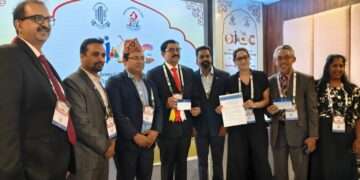
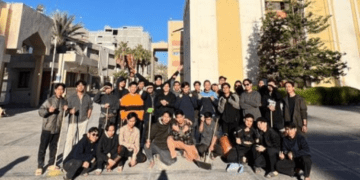
The event took place on Tuesday (7/4) at the Muhammadiyah Regional Office in Bantul. It brought together regional Muhammadiyah leaders, branch representatives, delegates from PKU Muhammadiyah Hospital Bantul, and students from Islamic boarding schools affiliated with the organization.
The program aimed to enhance public understanding of modern health issues, particularly the ethical and religious dimensions of stem cell use. Moreover, organizers noted that public knowledge on the subject remains limited, both scientifically and in terms of Islamic legal perspectives.
Bridging Science and Religious Understanding
Muhamad Rofiq Muzakkir, head of the community service team, emphasized the importance of disseminating religious guidance to bridge the gap between scientific advancements and public religious awareness.
“Stem cell research is a major innovation in healthcare,” he said. “However, it also raises ethical and religious questions. Therefore, a comprehensive understanding based on Muhammadiyah’s fatwa is essential.”
Rofiq, who also serves as secretary of the Muhammadiyah Council for Islamic Legal Affairs (Majelis Tarjih and Tajdid), explained that the session covered foundational concepts of stem cells, their types and medical applications, as well as their legal status in Islamic jurisprudence.
The materials were delivered in an interactive format using accessible language. Consequently, participants were able to engage actively in discussions and deepen their understanding of the topic.
Expanding Access to Knowledge Resources
In addition to the educational sessions, the organizing team donated 39 book titles published by the Muhammadiyah Council for Islamic Legal Affairs, along with other Muhammadiyah-related publications.
These resources are expected to support ongoing religious outreach and study activities within local communities. At the same time, they aim to ensure that the dissemination of knowledge continues beyond the event itself.
One participant noted that the program provided valuable new insights. “Previously, we only understood stem cells from a medical perspective,” the participant said. “Now we also understand how Islam views the issue.”
Sustaining Outreach and Public Education
Through this initiative, the organizers hope participants will not only gain knowledge but also share it within their respective communities. Therefore, the dissemination of religious guidance on contemporary issues can expand more broadly and sustainably.
The program forms part of UMY’s internally funded community service initiatives, carried out in collaboration with the Muhammadiyah regional council in Bantul. It reflects the role of higher education institutions in addressing social and religious challenges amid rapid scientific and technological development.