

MUHAMMADIYAH.OR.ID, AMMAN – Smiles filled with hope lit the faces of Palestinian children undergoing cancer treatment in Jordan, despite the hardships they have endured since fleeing conflict in their homeland. In such circumstances, humanitarian assistance does more than meet material needs. It also strengthens their resolve to keep fighting.

On April 4, Muhammadiyah, through its Department of Charity Management (Lazismu), joined forces with representatives of the Embassy of the Republic of Indonesia in Amman, Muhammadiyah Special Branch of Jordan (PCIM Jordan), ‘Aisyiyah Special Branch of Jordan (PCIA Jordan), and Muhammadiyah Aid to distribute humanitarian aid to Palestinian child cancer survivors in the country on Saturday.
Originally scheduled to take place at the King Hussein Cancer Foundation and Center, the event was relocated to Al-Fanar Hotel in Amman following recommendations from hospital authorities. The site currently serves as a government-supported facility for accommodating pediatric cancer patients from Gaza.
Rodiatun Mardiah, head of the organizing committee from PCIM Jordan, said the initiative delivered 160 aid packages. Each package included food supplies, toys, and $100 worth of financial assistance to support treatment. “This program reflects Lazismu’s commitment to humanitarian missions, particularly in assisting vulnerable children affected by conflict,” she said on Wednesday (8/4).
Coordinated Efforts to Sustain Care and Support
However, organizers adjusted the venue to avoid disrupting hospital operations. They coordinated closely with both the hospital and PCIM Jordan to ensure the event proceeded smoothly. As a result, the program maintained its focus on providing both logistical and emotional support.
Rodiatun emphasized that the initiative demonstrates Lazismu’s ongoing commitment to Palestinian communities, especially those in Jordan, one of the countries hosting a large population of Palestinian refugees. Moreover, she noted that sustained engagement remains essential as many families continue to face prolonged displacement.
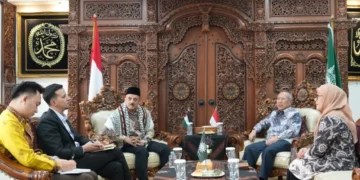
Among those in attendance was Fajar Dwi Kusuma Wardhana, representing Indonesia’s ambassador to Jordan. He expressed support for the initiative and highlighted its impact on the children. “The children appeared enthusiastic and cheerful throughout the activities,” he said. “Many attended with their parents, who also benefited from the program.”
One beneficiary, Mujahid, 10, said he enjoyed participating in activities such as singing, coloring, and playing with volunteers. Meanwhile, a volunteer identified as Roro described the event as both meaningful and impactful. She added that such initiatives should continue in the future to sustain morale among young patients.
Strengthening Humanitarian Partnerships
The event ran smoothly, thanks to strong coordination among stakeholders and growing volunteer participation. In addition, organizers observed increasing public engagement in Lazismu’s humanitarian efforts, which has helped expand the scope of its programs.
The King Hussein Cancer Foundation and Center expressed appreciation for Lazismu’s support, particularly for Palestinian child cancer survivors in Jordan. Hospital representatives also voiced hope that humanitarian collaboration would continue to grow, especially following previous visits by Lazismu and Muhammadiyah Aid.
Ultimately, the assistance aims not only to provide material relief but also to strengthen the psychological well-being of these children. By fostering hope and resilience, the program seeks to support their recovery and help them envision a healthier future.