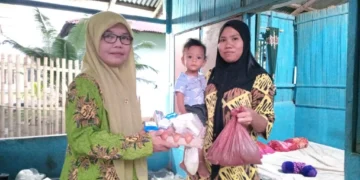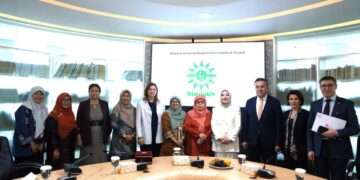


MUHAMMADIYAH.OR.ID, YOGYAKARTA – Muhammadiyah is moving to restore essential health services in disaster-affected areas by reviving the ‘Aisyiyah Clinic in Tamiang, Aceh. The initiative reflects a broader commitment by Muhammadiyah and its women’s wing, ‘Aisyiyah, to ensure that post-disaster recovery extends beyond education and reaches public services as well.

Chairperson of Muhammadiyah Central Board, dr. Agus Taufiqurrahman, said the organization views health care as a critical pillar of long-term recovery. Therefore, efforts to rebuild schools must be accompanied by the strengthening of community-based medical facilities.
“Following the disaster, Muhammadiyah and ‘Aisyiyah will bring the ‘Aisyiyah Clinic in Tamiang back to life,” dr. Agus said. “We expect the clinic to function as a center for public health services and to continue growing in response to the community’s needs.”
Importantly, the clinic’s revival forms part of Muhammadiyah’s integrated recovery framework known as One Muhammadiyah One Response (OMOR). Through this approach, the organization aligns education, health, and social services into a single coordinated movement. Consequently, recovery efforts do not operate in isolation but reinforce one another.
Integrated Recovery Beyond the Emergency Phase
In addition, dr. Agus emphasized that disaster response should not end once emergency relief concludes. Instead, Muhammadiyah aims to rebuild stronger and more resilient systems for basic services. Health facilities, he noted, must remain accessible, trusted, and sustainable long after the initial crisis has passed.
Through the OMOR framework, Muhammadiyah mobilizes medical professionals, volunteers, educators, and community organizers. At the same time, it collaborates closely with ‘Aisyiyah, which has a long history of managing grassroots health and social services across Indonesia.
Furthermore, the ‘Aisyiyah Clinic in Tamiang is expected to become a hub for preventive care, routine treatment, and community health education. By doing so, the clinic can help reduce long-term health risks that often emerge after disasters.
Ultimately, Muhammadiyah’s decision to revive the clinic underscores a key principle of its humanitarian mission. Recovery must address immediate needs while also preparing communities for the future. In Aceh Tamiang, that future includes a health system that is not only restored, but strengthened to serve generations to come. (Bintang Adrian)