
EN.MUHAMMADIYAH.OR.ID, MEDAN – Muhammadiyah faces five pressing challenges that require immediate attention in order to preserve the Muhammadiyah internationalization efforts. The first is sectarianism.

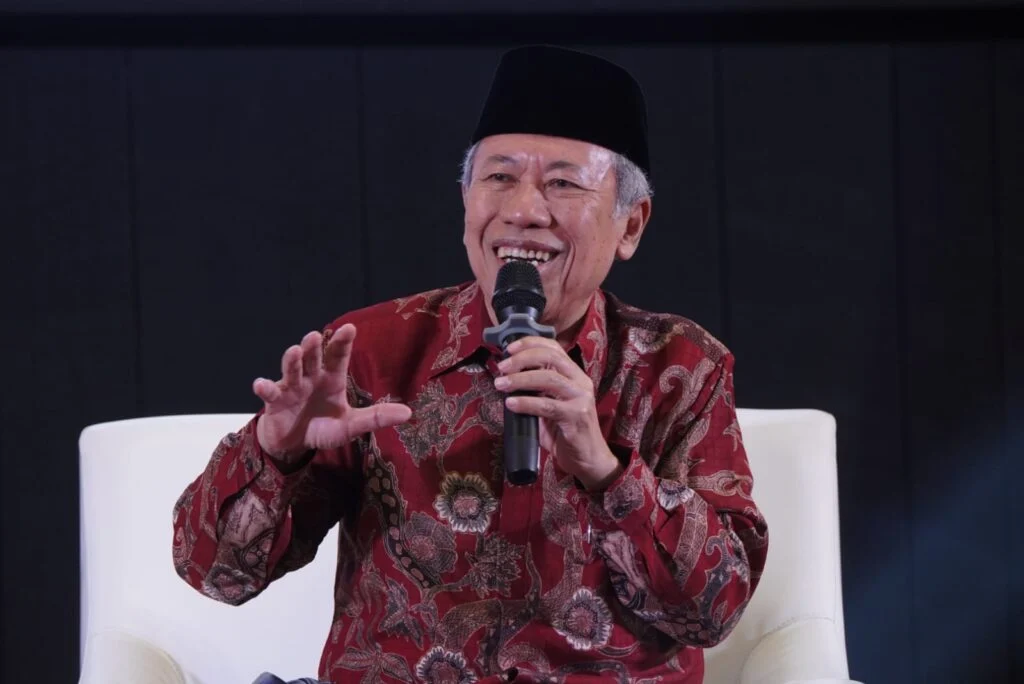
Syafiq A. Mughni, Chairperson of the Muhammadiyah Central Board, outlined the challenges. He said sectarian division has two sides. It can have positive effects but it can also become a source of division.
From an intellectual and scholarly perspective, he said, sectarian differences can be a positive reality. The problem arises when they are viewed or used for purposes beyond intellectual discourse.
“If it is an intellectual reality, it is very positive. But if it is then exploited for interests outside the sectarian realms, it can worsen divisions and weaken ukhuwah Islamiyah,” Syafiq said at the Muhammadiyah University of North Sumatera (UMSU) on Tuesday (22/9).
He observed that when sectarian issues are framed politically, they can become fuel for conflict, as has recently occurred in parts of the Muslim world.
Weak Multilateral Institutions
The second challenge is the weakness of multilateral institutions in addressing today’s global problems. More specifically, Syafiq pointed to the United Nations.
“How can it be so powerless in addressing problems involving the abuse of power and injustice committed by some of its member states?” he said.
“This is a very clear weakness that requires all of us to act and respond to challenges that have long troubled the international community,” Syafiq added.
The third challenge is islamophobia, or hostility toward Islam. In their eyes, Islam is often portrayed as a problem maker.
Although the UN has designated March as the International Month to Combat Islamophobia, hostility toward Islam continues to occur. In some cases, people seek to drive Muslims or Islam out of their countries.
“We see this as a challenge, so we must all work hard to address or resolve the negative consequences of various forms of Islamophobia,” Syafiq said.
Climate Crisis and Violent Extremism
The fourth challenge is the climate crisis. Citing several sources, Syafiq warned that if the current trajectory continues for years to come, the Earth could become increasingly difficult for living beings to inhabit.
“If we do nothing, we will bequeath that catastrophe to future generations,” Syafiq said.
The fifth and final challenge is violent extremism. The issue of radicalism, he said, remains a challenge not only for Muhammadiyah but also for societies around the world.
“We cannot see it as something exclusive to Muslims. Violence, or extreme violence, has become a phenomenon across different religions, regions and nations,” he said.
Syafiq stressed that extremism should not be identified exclusively with religious communities, or with Muslims in particular. Instead, he said, it has become a broader challenge facing societies around the world.