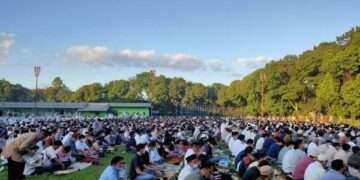


Among all the nights in the month of Ramadan, One night holds exceptional spiritual importance: Lailatul Qadr. Muslims believe it carries immense blessings and spiritual reward. The Prophet Muhammad indicated that the night falls within the last ten days of Ramadan, especially on the odd numbered nights.

A narration from Aisha records the Prophet’s guidance:
Hal ini sebagaimana disebutkan dalam hadis yang diriwayatkan dari ‘Aisyah ra:
عَنْ عَائِشَةَ أَنَّ رَسُولَ اللَّهِ قَالَ: تَحَرَّوْا لَيْلَةَ الْقَدْرِ فِي الْوِتْرِ مِنَ الْعَشْرِ الأَوَاخِرِ مِنْ رَمَضَانَ
“It was narrated from Aisha (may God be pleased with her) that the Messenger of God said: Seek Lailatul Qadr on the odd-numbered nights among the last ten nights of Ramadan.” (Narrated by al-Bukhari dan Muslim)
A similar instruction also appears in a narration reported by Abdullah ibn Abbas. The report suggests that the night should be sought on specific evenings within the final ten nights:
عَنِ ابْنِ عَبَّاسٍ أَنَّ النَّبِيَّ قَالَ: الْتَمِسُوهَا فِي الْعَشْرِ الأَوَاخِرِ مِنْ رَمَضَانَ لَيْلَةَ الْقَدْرِ فِي تَاسِعَةٍ تَبْقَى، فِي سَابِعَةٍ تَبْقَى، فِي خَامِسَةٍ تَبْقَى
“It was narrated from ibn Abbas (may God be pleased with him) that the Prophet said: Seek Lailatul Qadr during the last ten nights of Ramadan–when nine nights remain, when seven nights remain, or when five nights remain.” (Narrated by al-Bukhari)
Many scholars interpret these references as pointing to the odd-numbered nights, such as the 21st, 23rd, or 25th of Ramadan. Nevertheless, most scholars encourage Muslims to devote themselves throughout the entire final ten nights rather than focusing on a single date.
The Supplication Recommended for the Night
The companions of the Prophet, however, did not only ask when Lailatul Qadr would occur. They also asked what prayer should be recited if the night were encountered. This question was famously asked by Aisha.
عَنْ عَائِشَةَ قَالَتْ قُلْتُ يَا رَسُولَ اللَّهِ أَرَأَيْتَ إِنْ عَلِمْتُ أَيُّ لَيْلَةٍ لَيْلَةُ الْقَدْرِ مَا أَقُولُ فِيهَا؟ قَالَ قُولِي: اللَّهُمَّ إِنَّكَ عَفُوٌّ كَرِيمٌ تُحِبُّ الْعَفْوَ فَاعْفُ عَنِّي
“It was narrated from Aisha (may God be pleased with her), who said: I asked, ‘O Messenger of God, if I know which night is the Night of Decree, what should I say during it?’ The Messenger of God replied: ‘Say Allahumma innaka afuwwun kariim, tuhibbul-’afwa fa’fu ‘anni.’” (Narrated by at-Tirmidzi, classified as a hasan shahih narration)
The prayer taught by the Prophet reads:
اَللَّهُمَّ إِنَّكَ عَفُوٌّ كَرِيمٌ تُحِبُّ الْعَفْوَ فَاعْفُ عَنِّي
“O Allah, indeed You are the Most Forgiving and Most Generous. You love forgiveness, so forgive me.”
This supplication is short but deeply meaningful. On such a blessed night, the Prophet did not teach a long prayer or many worldly requests. Instead, he taught believers to seek divine forgiveness.
The Spiritual Meaning of the Prayer
This guidance highlights a central spiritual lesson of Lailatul Qadr. The greatest blessing a believer can obtain that night is not wealth, success, or worldly gain. Rather, it is the forgiveness of God.
Because of that hope, the Prophet approached the final ten nights of Ramadan with heightened devotion. He intensified his acts of worship and often observed i‘tikaf, a period of spiritual retreat in the mosque. Through these practices, he sought the blessing of the Night of Decree.
For Muslims today, this tradition continues to shape the final days of Ramadan. Believers fill the nights with prayer, Qur’an recitation, remembrance of God, and supplication. The simple prayer taught by the Prophet remains one of the most widely recited invocations during those sacred nights.
Reference:
Majelis Tarjih dan Tajdid Pimpinan Pusat Muhammadiyah, Tuntunan Ramadhan. Lihat juga, “Keutamaan dan Do’a Lailatul Qadar”, https://web.suaramuhammadiyah.id/2020/05/14/keutamaan-dan-doa-lailatul-qadar/, accessed on Friday, March 6th, 2026.